
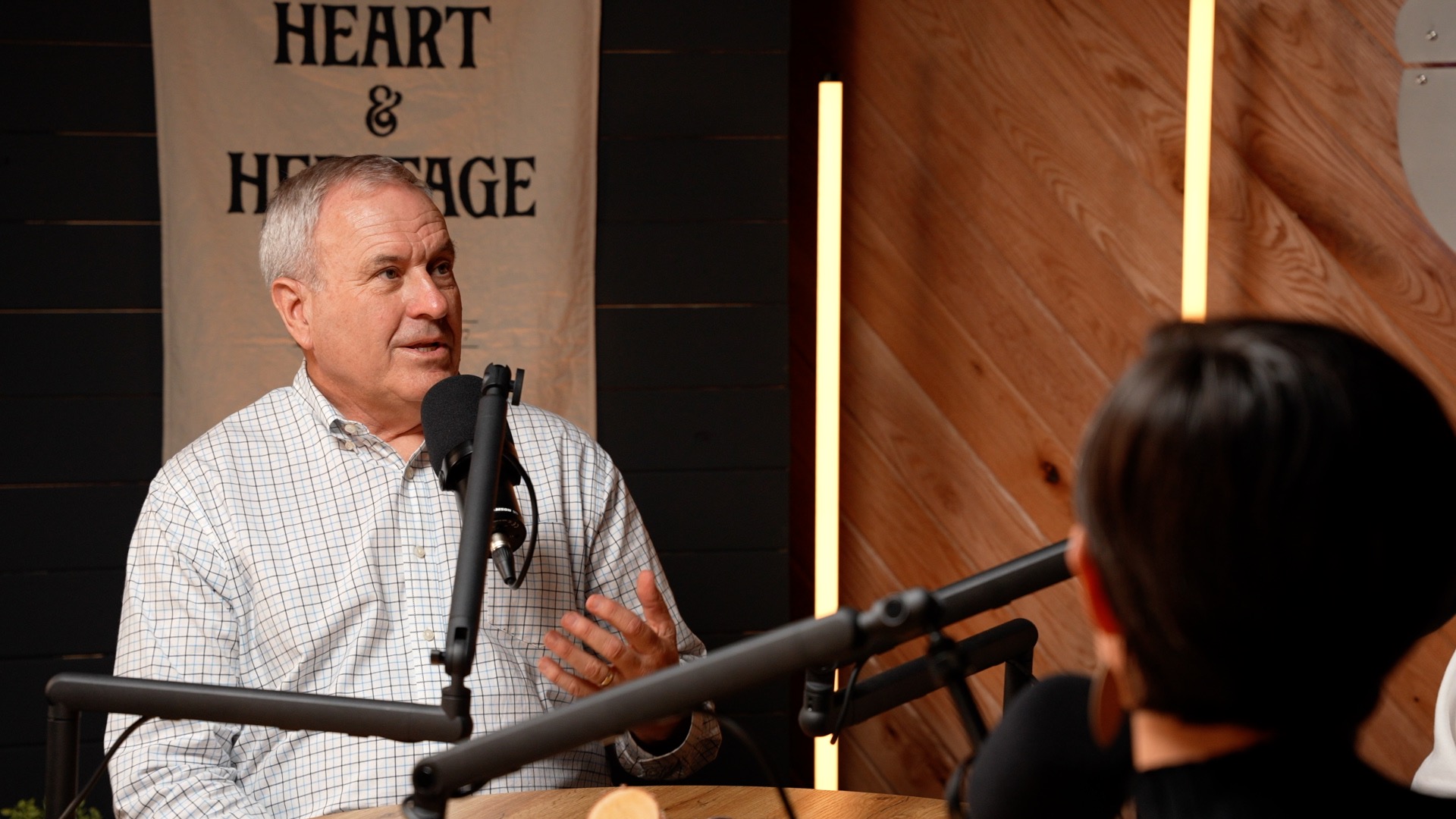
Wisdom from CPA Bert Doerhoff
For many people, building a custom home is more than a construction project. It’s the realization of a dream that may have been forming for decades.
Whether it’s a handcrafted log home tucked into the woods, a hybrid home designed for entertaining family, or a retirement retreat built around peace and simplicity, one thing remains true:
Dream homes require intentional financial planning.
In a recent episode of the Acorn & Leaf Podcast, Lynn Gastineau and Lacey Schmidt sat down with longtime CPA, wealth advisor, and trusted business leader Bert Doerhoff to discuss what people should actually be thinking about financially before they build.
The conversation covered everything from mortgages and retirement accounts to credit scores, debt, family legacy planning, and the emotional side of building a forever home.
Here are some of the biggest takeaways from the discussion.
Start Planning Earlier Than You Think
One of the most important points Bert emphasized was simple:
The earlier you begin planning, the better your outcome will be.
Many Gastineau homeowners spend years dreaming about their future home before they ever break ground. Some spend a decade or more refining ideas, saving money, reducing debt, and preparing financially.
That long runway matters.
When major financial decisions are rushed, people often end up building beyond their comfort zone or making choices they later regret. Thoughtful planning creates flexibility, clarity, and confidence.
As Bert explained, the goal isn’t just building the house. The goal is building the life that comes with it.
Know What You Can Comfortably Afford
It’s easy to fall in love with stunning kitchens, soaring ceilings, oversized porches, and luxury finishes. But custom homes often include deeply personal features that appraisers and banks may not fully value.
That creates an important reality check for future homeowners.
A house may be emotionally valuable to you while still being viewed conservatively by lenders.
Bert encouraged future homeowners to begin with the financial side first:
- Talk to lenders early
- Understand how banks evaluate custom homes
- Learn what monthly payment range is comfortable
- Build around long-term sustainability, not short-term excitement
Today’s mortgage environment looks very different than it did just a few years ago. Higher interest rates significantly affect monthly affordability, especially on larger builds.
Financial peace inside the home matters just as much as the home itself.
Debt Can Quietly Destroy the Dream
One of the strongest themes throughout the conversation was the impact of unnecessary debt.
Bert specifically pointed to vehicle payments as one of the biggest obstacles preventing people from reaching their homeownership goals.
Modern car and truck payments can easily consume the same monthly cash flow that could otherwise increase home-buying power.
Lenders evaluate more than just income. They also evaluate obligations.
That means:
- Credit card debt matters
- Vehicle payments matter
- Existing loans matter
- Financial habits matter
Reducing debt before building creates more breathing room and often opens the door to better financing opportunities.
As Bert put it:
“Spend less than you make.”
Simple advice. Powerful results.
Self-Employed? Plan Ahead
This section of the conversation will resonate with many entrepreneurs and business owners.
People who are self-employed often spend years minimizing taxable income to reduce taxes. But when it’s time to qualify for a mortgage, those same tax returns may work against them.
Banks lend based on documented income, not perceived income.
If someone plans to build in the next few years, Bert recommends:
- Cleaning up financial reporting
- Showing consistent income
- Avoiding excessive write-offs
- Preparing tax returns with future financing in mind
Your financial story matters to lenders. Make sure the paperwork supports the life you’re trying to build.
Don’t Ignore Your Credit Score
Many people wait until they apply for financing before checking their credit.
That’s often too late.
Errors, disputes, fraudulent activity, and reporting mistakes can take time to resolve. Reviewing your credit years ahead of building gives you time to improve and correct issues before they impact your mortgage options.
Strong credit can influence:
- Interest rates
- Loan approval
- Down payment requirements
- Monthly affordability
For future homeowners, credit health should become part of the long-term preparation process.
Retirement and Home Building Require Balance
One of the most insightful portions of the discussion centered around retirement planning.
Many future homeowners reach retirement age and wonder:
- Should we pay cash?
- Should we finance?
- Should we pull from retirement accounts?
Bert emphasized that every situation is different, but large withdrawals from retirement accounts can unexpectedly increase taxes and create long-term financial consequences.
In many cases, strategic financing may create more flexibility than draining retirement savings all at once.
The key is balance.
A dream home should support retirement, not jeopardize it.
Your Forever Home Is About More Than Square Footage
One of the most meaningful moments in the episode came when Lynn and Lacey discussed how differently people define their “dream home.”
For some families, it means large gathering spaces and extra bedrooms for children and grandchildren.
For others, it means a smaller, simplified home built for quiet living and minimal maintenance.
The dream itself is personal.
That’s why financial planning should reflect lifestyle goals, family values, and long-term priorities instead of simply chasing size or luxury.
The best custom homes are designed intentionally around the life people actually want to live.
Planning a Family Legacy Property
The conversation also explored family trusts, legacy properties, and passing homes down to future generations.
Bert shared a perspective many people overlook:
Legal documents matter, but communication matters even more.
Families who openly discuss expectations, vision, and long-term goals often avoid many of the conflicts that arise later.
A legacy property is more than land or buildings. It’s shared understanding.
If your goal is to create something your family will enjoy for generations, those conversations should happen long before paperwork is finalized.
Final Thoughts: Build with Vision, Not Pressure
Building a custom home is emotional. It should be.
These homes represent dreams, milestones, memories, and future generations.
But the healthiest home-building journeys happen when excitement is paired with preparation.
Plan early. Reduce unnecessary debt. Understand your financing. Save consistently. Communicate clearly with your spouse and family. Build around your real priorities.
Most importantly, remember that the purpose of a forever home is not just to impress people.
It’s to support the life you want to live inside it.
Watch the full Acorn & Leaf Podcast episode featuring Bert Doerhoff here:
Gastineau Log Homes YouTube Channel
